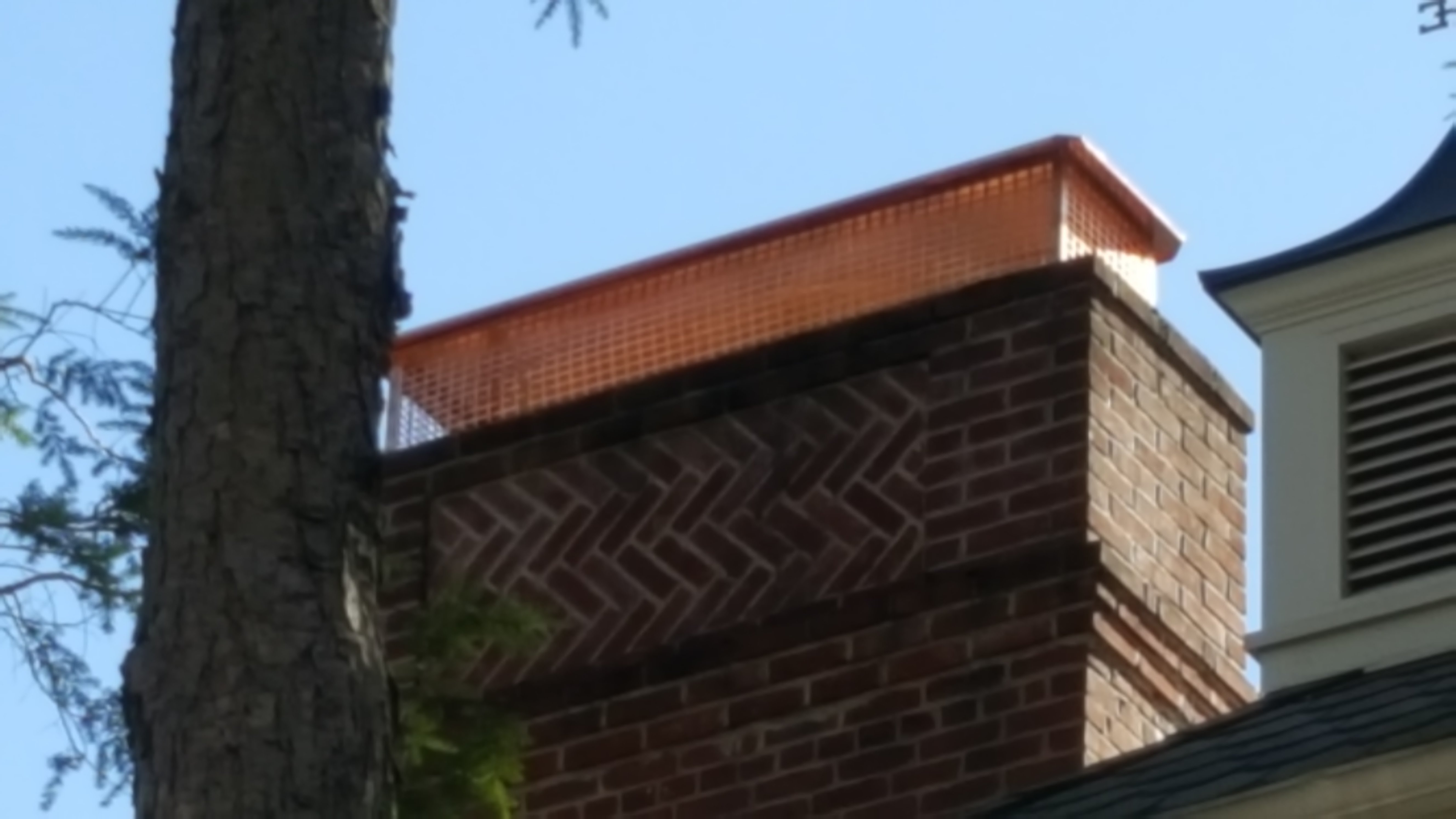
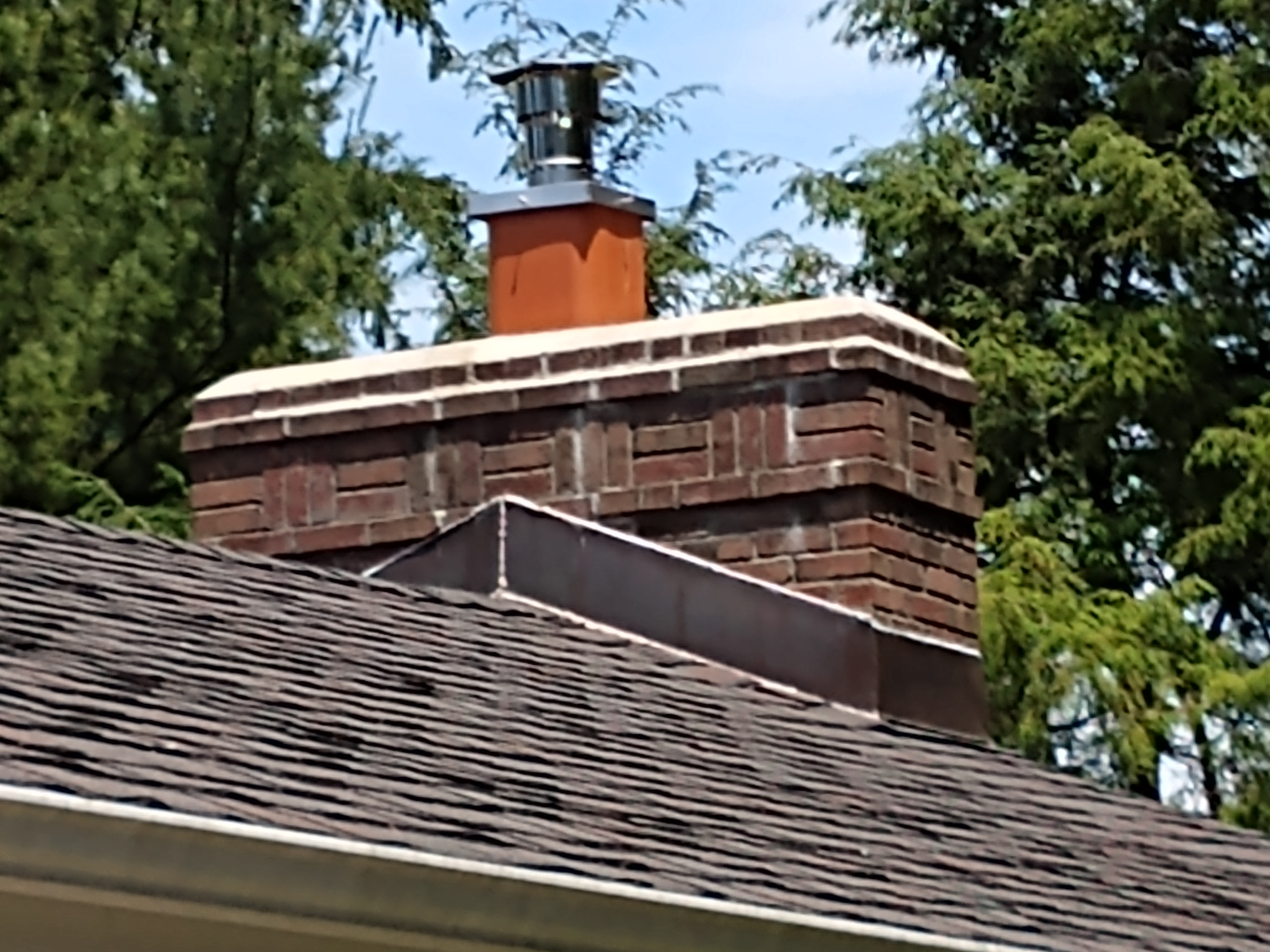
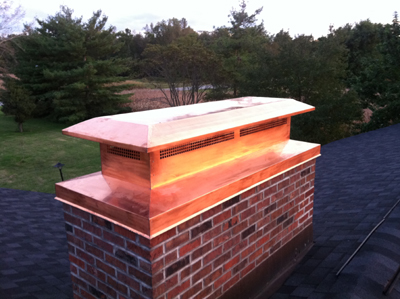
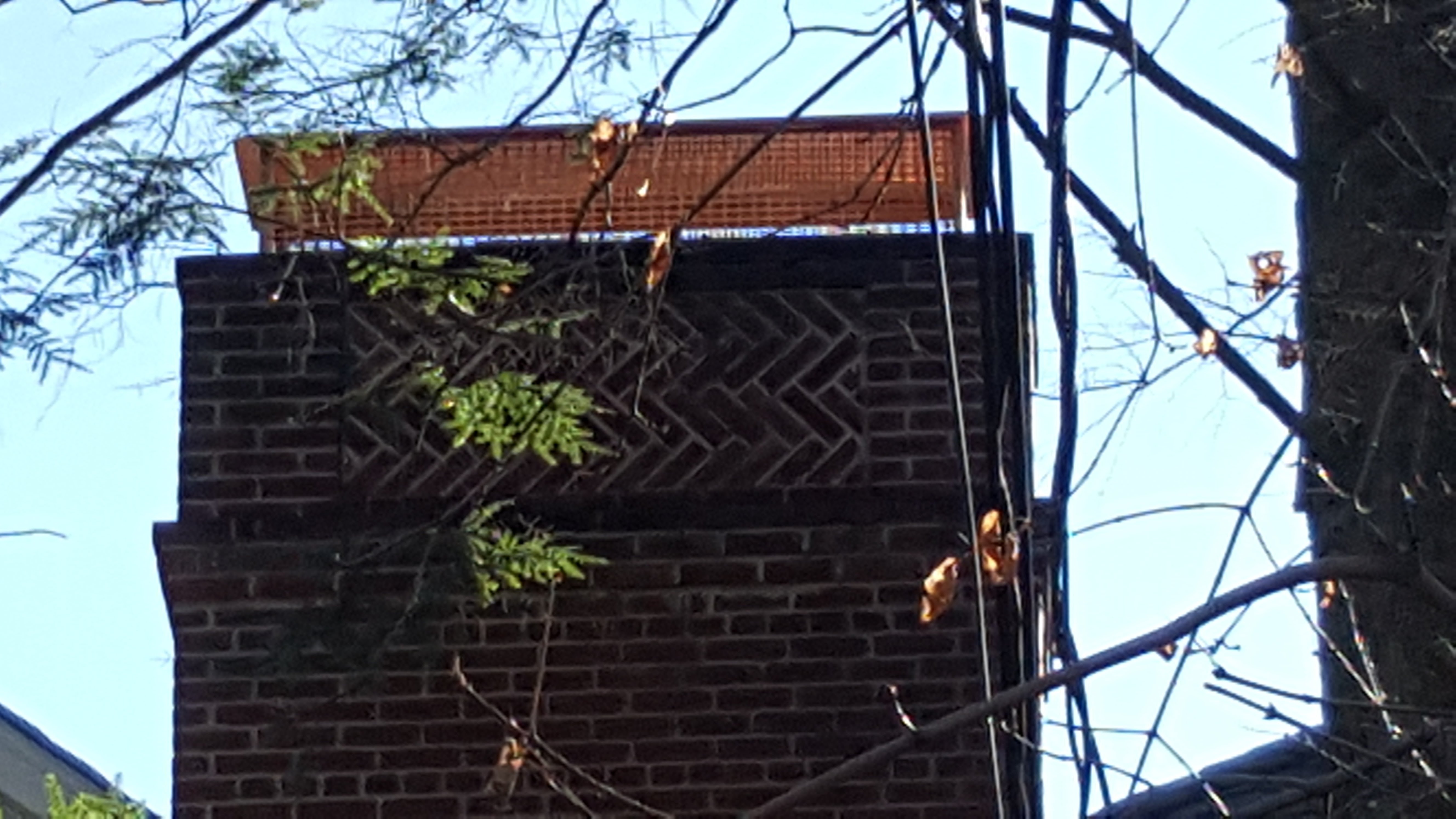
If you've lived in Hampton Bays for any length of time, you know how quickly weather can turn on Long Island. One day the sky is clear, and the next, a nor'easter is battering homes from the bay to the sound, with wind gusts that shake the bones of houses built decades ago. Many of the charming older homes throughout Hampton Bays and neighboring communities like Quogue and East Quogue were constructed with solid chimney infrastructure, but that infrastructure needs active maintenance to remain effective. At the heart of that maintenance sits something most homeowners never think about until there's a problem: the chimney cap.
This small but mighty component sits at the very top of your chimney, and it serves as the first—and often only—line of defense against the elements, wildlife, and debris that threaten to compromise your entire chimney system. Whether your Hampton Bays home uses oil heat with a chimney flue, a gas fireplace insert, or a wood-burning stove, having a properly functioning chimney cap isn't optional. It's the difference between a chimney that functions smoothly for decades and one that becomes a source of water-related damage that can spread into your walls, attic, and structural framing.
The geography of Hampton Bays presents unique challenges for chimney maintenance that residents in inland communities simply don't face. Located between Peconic Bay to the north and the Atlantic Ocean to the south, homes in Hampton Bays are exposed to salt-laden winds, higher humidity levels, and more aggressive weather patterns than many other parts of Long Island. The seasonal storms that roll through Suffolk County, NY can be particularly punishing to chimneys, especially those with missing, damaged, or improperly fitted caps. When a chimney cap fails—whether due to rust, impact damage from fallen tree branches, wind uplift, or simple age—water doesn't just drip into your chimney. It cascades down your flue, pools at the base of the chimney, and begins a slow migration into the masonry itself.
Over weeks and months, that moisture wicks into the bricks, mortar, and internal structure, creating conditions perfect for freeze-thaw cycles that crack mortar joints, spall bricks, and weaken the entire chimney assembly. For homeowners in Hampton Bays, where proximity to water means higher ambient moisture in the air year-round, this risk is amplified. A deteriorating chimney cap isn't a cosmetic issue, it's an active source of structural compromise that can eventually require full chimney rebuilds if left unaddressed.
Equally important as water intrusion is the problem of animal entry, something we see constantly in Hampton Bays and throughout the Suffolk County, NY region. Raccoons, squirrels, birds, and bats recognize an open or damaged chimney cap as an invitation to a protected shelter, especially during the cold months when oil heat systems in Hampton Bays homes keep chimneys warm and inviting. Once these animals nest inside your flue, they create blockages that restrict airflow, increase the risk of backdrafting, and create unsanitary conditions that can affect your indoor air quality. The damage doesn't stop with the animals themselves—their nesting materials, droppings, and decomposing remains create a biohazard and can introduce parasites and disease into your home.
We've responded to numerous emergency calls from Hampton Bays homeowners who discovered they had a complete chimney blockage from animal nesting, forcing them to stop using their heating system in the middle of winter. Beyond the immediate inconvenience, blocked chimneys pose a serious safety risk, particularly in homes that rely on oil-fired furnaces with chimney vents. A proper, well-fitting chimney cap designed to exclude animals while still allowing safe venting is the single best investment you can make to prevent these scenarios. When we install or replace a cap in Hampton Bays, we're not just keeping water out—we're protecting your family from potential carbon monoxide issues and ensuring your heating system can operate as intended throughout the season.
Storm season on Long Island runs basically year-round, but autumn and winter bring the most dramatic weather events that directly impact chimney caps. Hurricanes, nor'easters, and even common thunderstorms can generate wind speeds that test the structural integrity of anything protruding from a roofline. We've seen chimney caps blow off entirely, bend under wind pressure, or become partially detached after major storms sweep through Hampton Bays and neighboring areas like Eastport and Westhampton. Even when a cap survives a storm, debris—pine needles, leaves, branches, shingle granules, and dust—accumulates on top of and inside the cap, restricting airflow and trapping moisture. Many Hampton Bays residents assume that because their chimney is capped, it's protected, but a cap choked with debris is almost as problematic as no cap at all.
During the late fall and early winter months when leaves are falling and storms are frequent, the maintenance burden on homeowners increases significantly. Rather than climbing onto your roof multiple times a season to clear debris from your chimney cap, or risking injury from falls and improper equipment, letting professionals handle cap inspection, cleaning, and replacement is both safer and more cost-effective. We recommend that Hampton Bays homeowners have their chimney caps inspected at least annually, and more frequently if your home is in an area exposed to heavy tree cover or sits on elevated terrain where wind speeds are higher.
The importance of proper chimney cap installation becomes even more apparent when you consider the long-term investment in your Hampton Bays home. If you've purchased an older house in Hampton Bays—and many of the properties here date back 40, 50, or even 70+ years—the chimney system may have an original or aging cap that's never been evaluated for fit, function, or condition. Caps can corrode from the inside out, especially in homes where fireplaces or stoves are used seasonally and moisture accumulates inside the flue. They can be undersized or oversized relative to your actual flue opening, which compromises their effectiveness and creates gaps where water and debris can enter. They can also be installed improperly, with insufficient clearance from the chimney crown or with fasteners that have rusted and failed.
When we arrive at a Hampton Bays home to inspect a chimney cap, we're looking at all of these factors, and we're assessing whether the existing cap is actually protecting your home or simply masking problems developing underneath. A professional replacement with a properly sized, securely fastened cap designed for the specific dimensions and material of your chimney is an investment that pays off in reduced water damage, eliminated animal intrusion during heavy weather.
Douglas covers all of Hampton Bays and knows the neighborhood streets well. Long Island homes in Hampton Bays vary considerably — from Cape Cods and split-levels built in the 1950s to more recent construction — and Douglas is experienced with every chimney configuration found in the area.
DME Maintenance has been serving Hampton Bays, Suffolk County, NY, and the broader Long Island community since 2001, and chimney cap replacement is one of the most common and most important services we perform. We've built our reputation by treating every Hampton Bays home as if it were our own, approaching each job with the careful work and craftsmanship that older Long Island properties deserve. Whether your chimney cap was damaged in a recent storm, is showing signs of rust and deterioration, needs replacement due to animal damage, or you simply want to ensure your heating system is properly protected heading into the colder months, don't wait.
Water damage, animal intrusion, and compromised flue function compound over time, turning a simple cap replacement into a much larger and more disruptive repair. Call DME Maintenance today at 631-316-0622 to schedule a chimney cap inspection for your Hampton Bays home. We'll evaluate the current condition of your cap, discuss your options, and get your chimney secured with a professional replacement that will protect your home for years to come. Your chimney is worth that call.