Gas heating is the backbone of comfort in Hampton Bays and across Long Island, but the assumption that gas appliances are "set it and forget it" systems could not be more wrong. Many homeowners in Hampton Bays operate with the belief that because gas burns cleaner than oil or wood, their gas furnaces, boilers, water heaters, and fireplaces simply do not need attention. This misconception puts families at serious risk. The reality is that every gas-burning appliance in your home—whether it's the furnace in your basement or a decorative gas fireplace in your living room—produces combustion byproducts that must safely exit your home through a venting system. Over time, these venting pathways accumulate deposits, debris, and potentially dangerous gases that create efficiency problems and safety hazards.
Gas chimney cleaning is not optional maintenance; it is important preventive care that should happen annually, typically before the heating season begins when families start relying on their systems again.
The geography and seasonal demands of Hampton Bays make gas heating systems work harder than many homeowners realize. Located in Suffolk County with proximity to the Atlantic Ocean, Shinnecock Bay, and the broader Long Island Sound region, homes in Hampton Bays experience winters with consistent temperature drops and wind-driven moisture that create stress on venting systems. Older homes that dominate the residential environment in Hampton Bays and nearby communities like Westhampton and Quogue often have aging chimney infrastructure that was not originally designed for modern gas appliances, especially if those systems have been converted from oil heat—a conversion that was extremely common across Long Island in recent decades.
When oil heating was the standard, those flues were built for the hotter exhaust temperatures oil produces. Gas burns cooler, which means condensation forms more readily inside these older flues, creating an acidic environment that corrodes metal linings and deposits stubborn residue. Understanding this local context is critical: your Hampton Bays home's venting system has specific needs based on its age, its previous heating history, and the weather it experiences.
Gas flue deposits accumulate through a process that homeowners rarely witness or understand, yet it happens silently inside the walls and roof spaces of homes throughout Hampton Bays every single day. When natural gas combusts in your furnace or boiler, it produces water vapor, carbon dioxide, and trace amounts of other compounds. As these gases rise through the flue system and exit your home, they cool gradually—especially in the winter months when outdoor air temperatures are low. This cooling causes condensation to form inside the flue, and this moisture carries acidic compounds that eat away at the flue lining. Incomplete combustion (which happens more often than homeowners expect) leaves behind soot, dust, and oily residue that sticks to the flue walls.
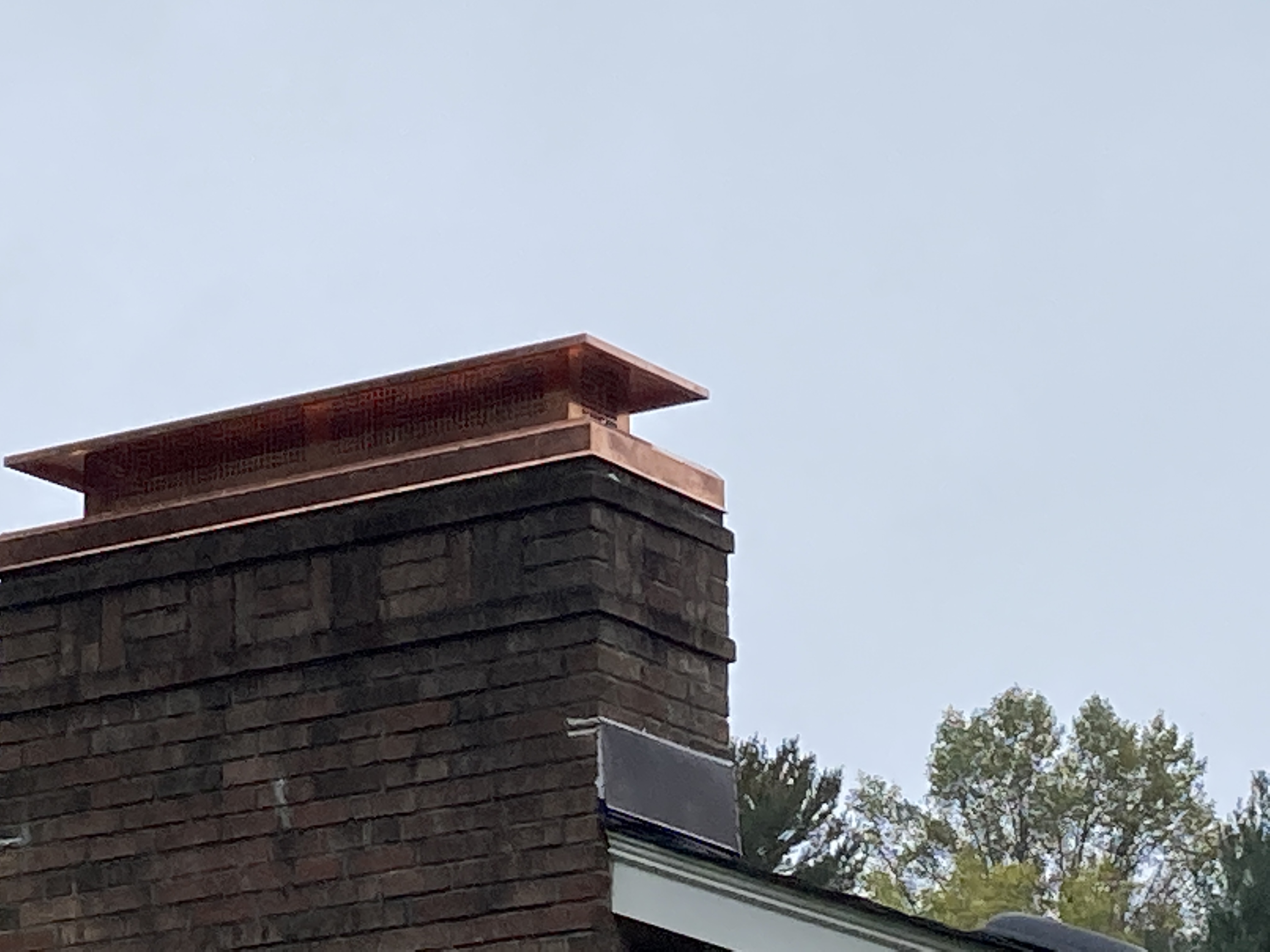
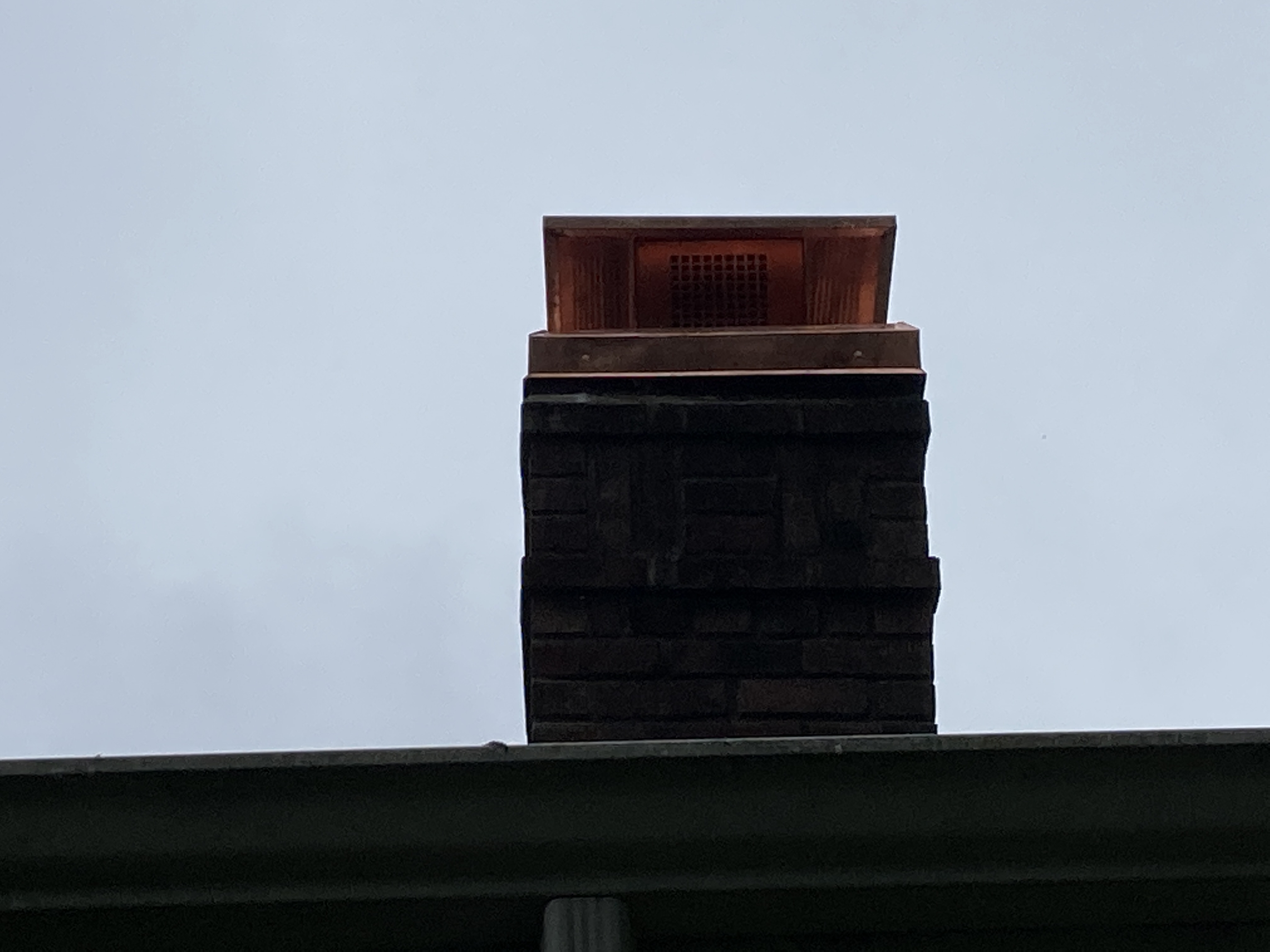
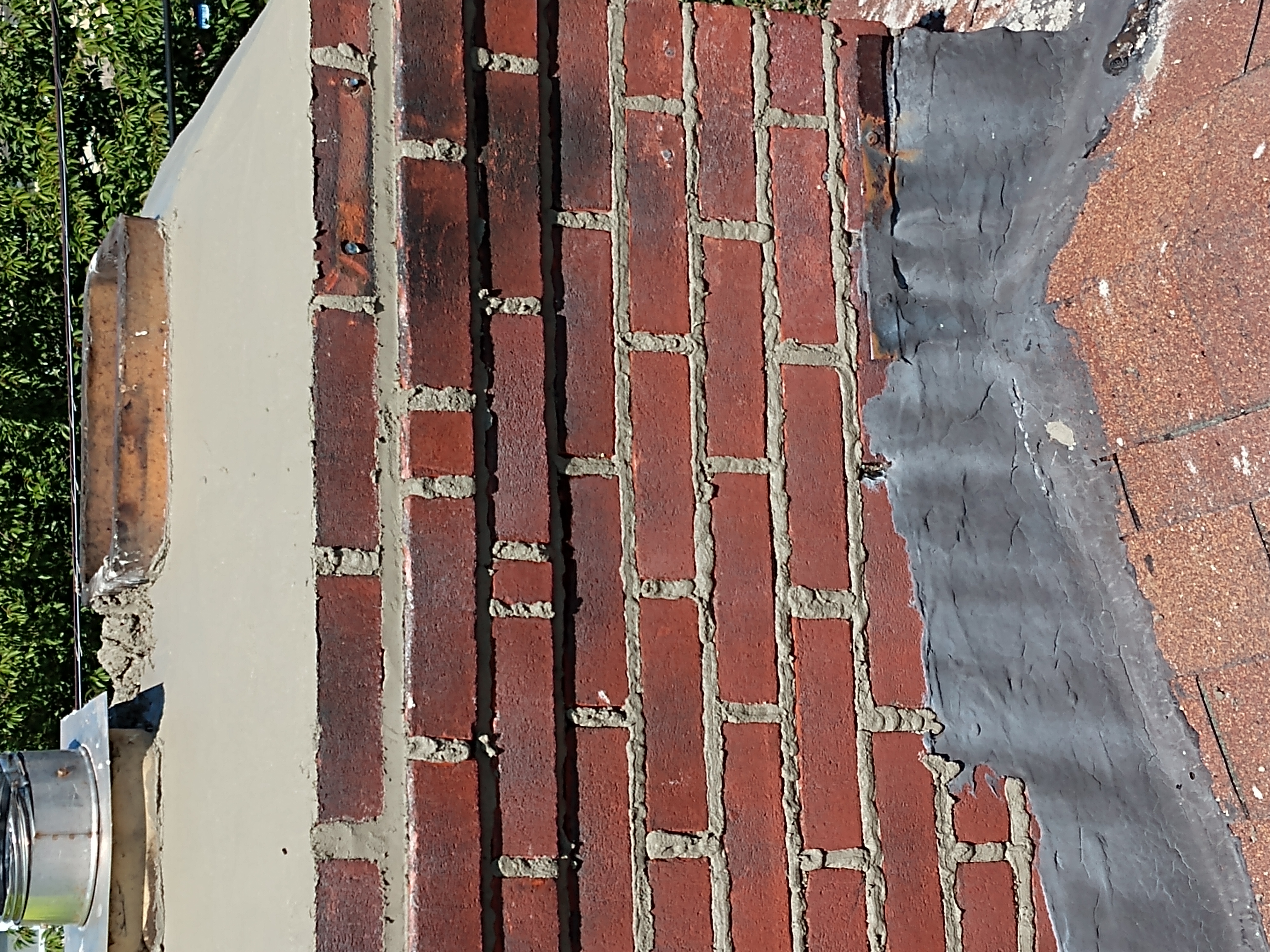
In Hampton Bays, where many homes are 40, 50, or even 60+ years old, these deposits accumulate year after year, sometimes never being addressed. The flue becomes narrower, rougher, and more prone to blockages from debris, bird nests, or deteriorated masonry. What starts as a thin layer of deposits slowly reduces the diameter of your venting pathway, forcing your heating system to work harder to push exhaust gases out. This is where professional gas chimney cleaning makes an immediate, measurable difference: a trained technician uses specialized brushes and equipment to remove these deposits, restoring the full diameter of your flue and allowing your system to breathe properly again.
Venting efficiency directly impacts how well your heating system works and how effectively it heats your home—two things that matter deeply to residents of Hampton Bays when winter arrives. A flue clogged with deposits forces your furnace or boiler to work inefficiently, cycling more frequently and running longer to achieve the same temperature you used to get automatically. This inefficiency means your system has to run harder throughout the long winter season on Long Island. Beyond the strain on your equipment, restricted venting creates back-pressure in your heating system, which can trigger error codes, shutdown cycles, and eventual system failure. The venting system is also responsible for removing dangerous combustion byproducts from your living space.
When deposits restrict airflow, these gases cannot exit properly, and they back up into your home or into attic spaces where they can cause long-term damage to wood framing and rafters. In Hampton Bays, where homes are often close to the ocean and already battle moisture and salt-air corrosion, poor venting efficiency compounds these problems significantly. A professional gas chimney cleaning restores venting efficiency, which means your heating system operates at peak performance, your home reaches the temperature you set faster, and the dangerous gases produced by combustion are reliably removed from your living environment.
Safety is the ultimate reason why homeowners in Hampton Bays should schedule annual gas chimney cleaning before the heating season begins, and this point is significant. Gas appliances produce carbon monoxide as a byproduct of combustion, and proper venting is the only thing that ensures this odorless, colorless, deadly gas exits your home rather than entering your living spaces. Flue blockages, deteriorated linings, or separated vent pipes create pathways for carbon monoxide to leak into bedrooms, basements, and main living areas. The symptoms of carbon monoxide exposure—headaches, dizziness, nausea, confusion—are subtle and easily mistaken for flu or other illnesses, which is exactly what makes this threat so dangerous.
Families in Hampton Bays and throughout Suffolk County have lived for decades with slow carbon monoxide leaks because they simply did not realize their venting system was compromised. When you hire a professional to clean and inspect your gas chimney annually, you protect everyone under your roof. A trained technician can identify problems that your own eyes and carbon monoxide detectors might miss: a hairline crack in the flue lining, a separation between vent sections, excessive corrosion, or blockages deep inside the chimney that restrict airflow and create dangerous back-pressure. This inspection-plus-cleaning approach catches problems early, before they escalate into safety emergencies that could require major repairs or create life-threatening situations.
Douglas covers all of Hampton Bays and knows the neighborhood streets well. Long Island homes in Hampton Bays vary considerably — from Cape Cods and split-levels built in the 1950s to more recent construction — and Douglas is experienced with every chimney configuration found in the area.
The timing of your gas chimney cleaning should align with your heating season, and for residents of Hampton Bays and the broader Long Island region, that means autumn is the ideal window. As September transitions to October and temperatures begin their seasonal decline, your furnace or boiler transitions from idle to active status. This is the perfect moment to have your venting system professionally cleaned and inspected, ensuring that when you turn on your heat for the first time in months, the system is operating safely and efficiently. Do not wait until November or December when your heating system is already running constantly; by then, any venting problems are already affecting your comfort and safety. Similarly, do not delay into the spring months when heating season has already concluded.
The annual rhythm of gas chimney maintenance—clean before you need it, not after problems have developed—is the approach that prevents costly repairs and keeps your family safe. DME Maintenance has been serving homeowners in Hampton Bays, Westhampton, Quogue, and across Suffolk County, NY since 2001, and we have built our reputation on understanding the specific needs of Long Island homes. If you have a gas furnace, boiler, water heater, or fireplace in your Hampton Bays home, call us today at 631-316-0622 to schedule your annual gas chimney cleaning before the heating season arrives. Do not assume your gas system is maintenance-free; do not risk your family's safety with an untested venting system; and do not accept reduced heating efficiency when a professional cleaning can restore your system's performance.