Hampton Bays chimney pointing is one of those services that separates homeowners who understand building maintenance from those who learn the hard way. If you own a home in Hampton Bays, chances are your chimney's mortar joints have already begun their slow deterioration—especially if your house was built before the 1980s, which describes a significant portion of the residential stock in this charming Suffolk County community. The freeze-thaw cycles that assault masonry year-round, where water seeps into joints, freezes, expands, and thaws repeatedly, create relentless stress on mortar. Over time, the mortar binding your chimney's bricks together breaks down, crumbles, and fails. When that happens, water begins infiltrating the structure—first slowly, then with increasing urgency.
Water is the enemy of chimneys, and once it finds its way inside through failed mortar joints, it spreads into your home's framing, insulation, and interior walls. DME Maintenance has been serving Hampton Bays and throughout Suffolk County, NY since 2001, and chimney pointing remains one of the most effective preventive measures we recommend to homeowners who want to protect their investment and avoid far costlier repairs down the line. Professional tuckpointing isn't just about aesthetics; it's about stopping water damage before it becomes catastrophic.
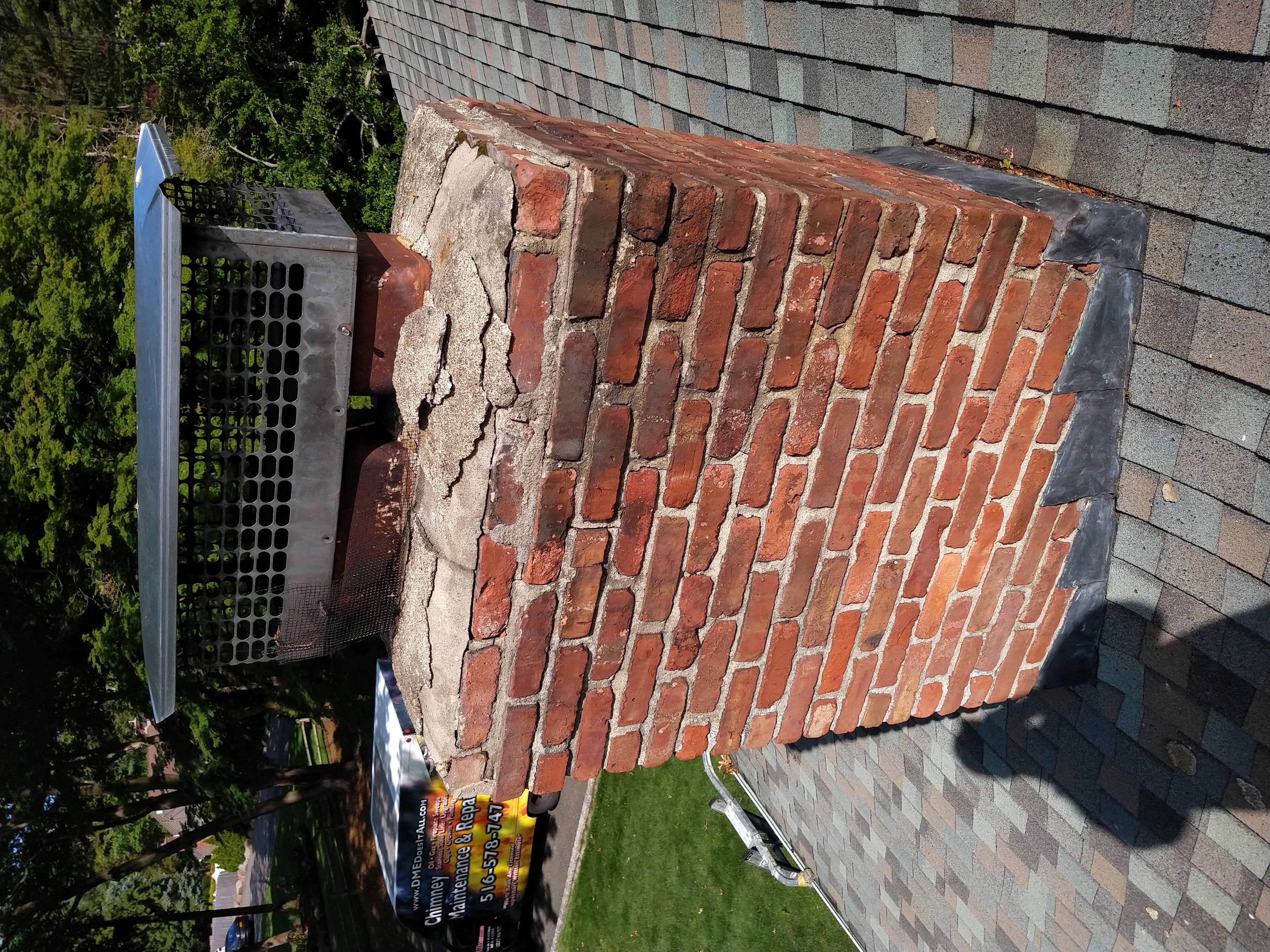
The mortar in your Hampton Bays chimney performs two essential functions that most homeowners never think about until something goes wrong. First, it bonds the individual bricks together, creating a unified structure that stands against wind loads and structural settling. Second—and perhaps more critically—it seals the small gaps between bricks, preventing water, wind, and air infiltration. Unlike concrete or modern sealants, traditional mortar is a breathing material designed to absorb and release moisture naturally. This is intentional: if moisture gets trapped inside the chimney's masonry, it will expand and agreement with temperature changes, causing accelerated deterioration from the inside out. When mortar joints in Hampton Bays homes begin to fail, the process is often gradual at first.
You might notice small cracks, missing chunks, or mortar that crumbles when you touch it. Many Hampton Bays homeowners ignore these early warning signs, assuming the chimney will continue functioning for years. What they don't realize is that each freeze-thaw cycle on Long Island makes the damage worse. Water seeps into the cracks, freezes at night, expands, and pushes the mortar further apart. By spring, the joint is wider. By the following winter, water has penetrated deeper. This cycle repeats year after year, and what began as minor deterioration transforms into serious structural compromise. The bricks themselves can crack. The flashing where the chimney meets your roof begins to leak. Interior walls adjacent to the chimney become damp. What once was a straightforward pointing job becomes a major reconstruction project.
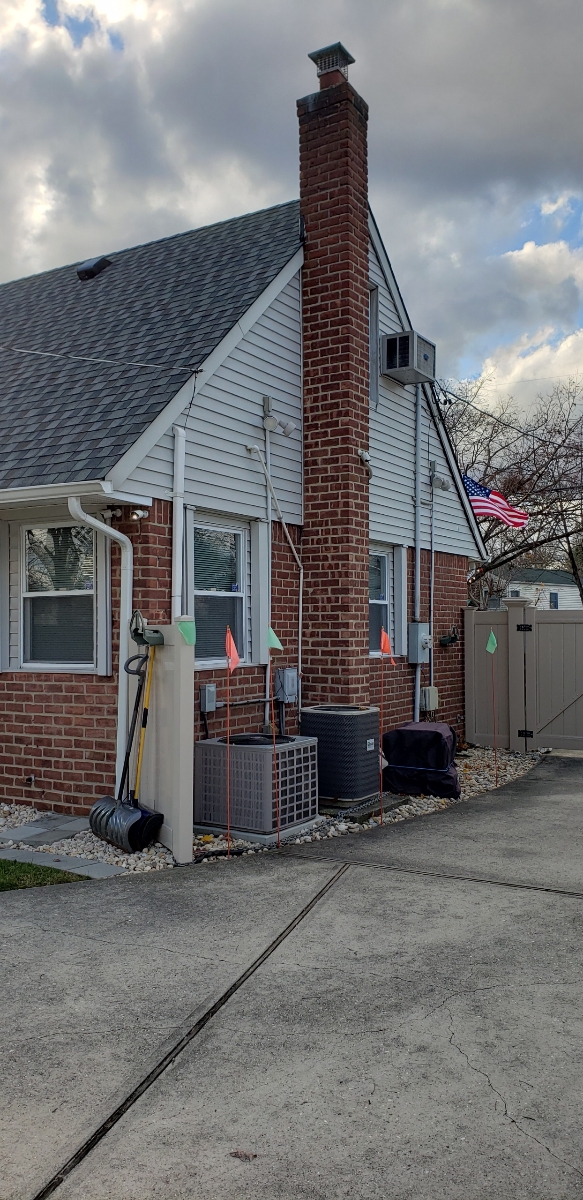
Homes throughout Hampton Bays and neighboring communities like Westhampton Beach and Quogue face particular vulnerability to chimney failure because of their age and their exposure to moisture and wind-driven conditions. Most Hampton Bays homes still rely on oil-fired heating systems, which means chimneys are working year-round, exposed to constant temperature fluctuations and acidic combustion byproducts. The spring and summer months—specifically May through September—represent the ideal window for Hampton Bays chimney pointing work. During these seasons, outdoor temperatures remain warm and stable, allowing freshly applied mortar to cure properly. Moisture evaporates at a predictable rate, preventing the soft, uncured mortar from being subjected to freezing temperatures that would compromise its strength.
Winter and fall pointing is far less desirable; cold temperatures slow curing dramatically, and early frosts can ruin otherwise good work. If your Hampton Bays chimney shows signs of deteriorating mortar, missing chunks between bricks, visible cracks in the joints, areas where you can push a screwdriver tip into the mortar, or interior staining on walls adjacent to the chimney, spring is genuinely the time to act. Summer follows close behind. Waiting until autumn or winter forces you to either accept subpar workmanship or delay repairs until the following spring, during which time the damage worsens. For homeowners in Hampton Bays who value their properties, scheduling pointing work during warm, dry months simply makes sense.
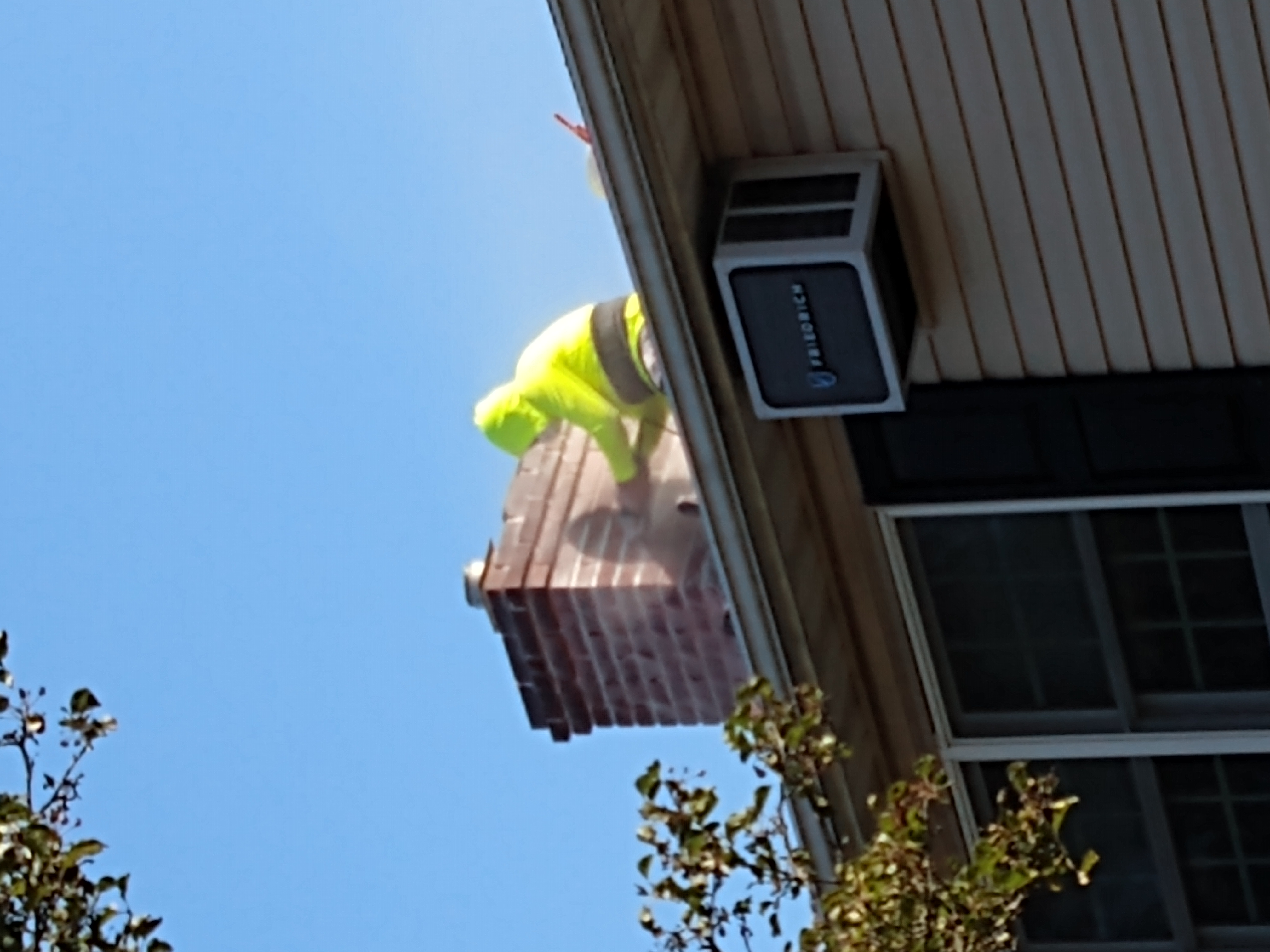
The process of professional chimney tuckpointing involves considerably more skill and attention than many homeowners appreciate. DME Maintenance begins with a thorough inspection of your chimney's exterior, evaluating the depth of mortar deterioration, identifying which joints are failing, and assessing whether the underlying bricks themselves have sustained damage. Not every joint needs equal attention; in Hampton Bays homes, we typically find that south and west-facing sides deteriorate faster due to greater sun exposure, while the sheltered north side often remains relatively intact. Once we've completed our assessment, we carefully remove the deteriorated mortar to a depth typically between one and one-and-a-half inches. This is precision work. Remove too little, and the new mortar won't bond properly. Remove too much, and you've weakened the structure and wasted effort.
We use specialized tools and techniques to extract the old mortar without damaging the surrounding bricks—a distinction that separates competent professionals from careless operators. After removal, we clean out the joints thoroughly, removing dust, debris, and any loose material. The mortar we install is specifically formulated to match the original composition of your chimney; different eras of Hampton Bays home construction used different mortar types, and using the wrong mix can actually accelerate failure of the surrounding masonry. We pack the new mortar firmly into the joint, then finish it at an angle designed to shed water away from the brick surface. Done correctly, this work looks clean, professional, and—importantly, protects your chimney for decades.
Water infiltration is perhaps the most damaging consequence of failed chimney mortar, and it often goes unnoticed until considerable damage has already occurred inside your Hampton Bays home. Water entering through compromised mortar joints flows down the interior surface of the chimney, spreads into the surrounding brick and masonry structure, and eventually begins seeping into the framing and insulation that support your roof. In humid climates near the water—like Hampton Bays—this moisture remains trapped for extended periods, creating ideal conditions for mold growth, wood rot, and deterioration of structural components. Many homeowners in Hampton Bays discover the problem only after noticing discoloration on interior walls adjacent to the chimney, a musty smell in the attic, or soft spots in wooden roof framing.
Douglas covers all of Hampton Bays and knows the neighborhood streets well. Long Island homes in Hampton Bays vary considerably — from Cape Cods and split-levels built in the 1950s to more recent construction — and Douglas is experienced with every chimney configuration found in the area.
By that point, remediation becomes far more involved and costly than simple mortar pointing would have been. The freeze-thaw cycles that occur here amplify this damage. As water inside the masonry freezes, it expands; as it thaws, it contracts. This constant cycling forces bricks apart, enlarges cracks, and accelerates the overall deterioration. Water infiltration is the main threat to your chimney's structure in this climate. Professional chimney pointing addresses the root cause, failed mortar, before water damage spreads deeper into your home's structure. Preventive maintenance stops problems before they become major repairs that require significant work and time.
If your Hampton Bays chimney shows any signs of mortar deterioration—crumbling joints, missing mortar, cracks in the bricks, interior staining, or moisture in your attic—now is the time to contact DME Maintenance. We've been serving Hampton Bays and Suffolk County, NY since 2001, and we understand the unique challenges that Long Island's climate presents to chimney masonry. Spring and early summer offer the perfect window for pointing work, when weather conditions allow proper mortar curing and your chimney can be restored to full integrity before the challenging seasons return. Don't let deteriorating mortar turn into water damage and structural failure. Call us at 631-316-0622 today to schedule a professional chimney inspection and receive expert guidance on whether pointing is the right solution for your home. DME Maintenance is ready to make sure your chimney will stand strong for years to come.